How Small Claims Court Works in Every State
- Nationwide Legal Assistance

- Dec 28, 2024
- 4 min read
How small claims court works in every state is an important topic for individuals and businesses seeking a faster and less expensive way to resolve legal disputes. Small claims courts are designed to handle lower-value cases without the complexity of larger civil lawsuits, making them a popular option for resolving everyday legal conflicts.
At Nationwide Legal Assistance, we connect individuals and businesses with experienced attorneys across all 50 states. Understanding how small claims court works in every state can help people prepare for court procedures, protect their rights, and better understand the small claims process.
What Is Small Claims Court?
Small claims court is a division of the civil court system that handles lower-value disputes.
These courts often resolve cases involving:
Unpaid debts
Property damage
Contract disputes
Security deposit disputes
Minor financial claims
Small claims procedures are generally simpler than standard civil litigation.
Why Small Claims Courts Exist
One reason understanding how small claims court works in every state matters is because small claims courts help reduce the cost and complexity of legal disputes.
These courts are designed to:
Resolve cases quickly
Reduce attorney involvement
Simplify procedures
Make legal access easier for the public
Many people handle small claims cases without full legal representation.
1. Small Claims Limits Vary by State
Each state sets its own maximum claim amount for small claims court.
Limits may range from a few thousand dollars to much higher amounts depending on the state.
Claim limits often determine whether a dispute qualifies for small claims court.
2. Filing a Small Claims Lawsuit
The process usually begins when the plaintiff files court paperwork explaining:
The dispute
The amount requested
The legal basis for the claim
Filing fees are generally lower than standard civil lawsuits.
3. Serving the Defendant
After filing, the defendant must receive legal notice of the lawsuit.
This process is called service of process.
Service may occur through:
Certified mail
Process servers
Law enforcement officers
Proper notice is required before the case proceeds.
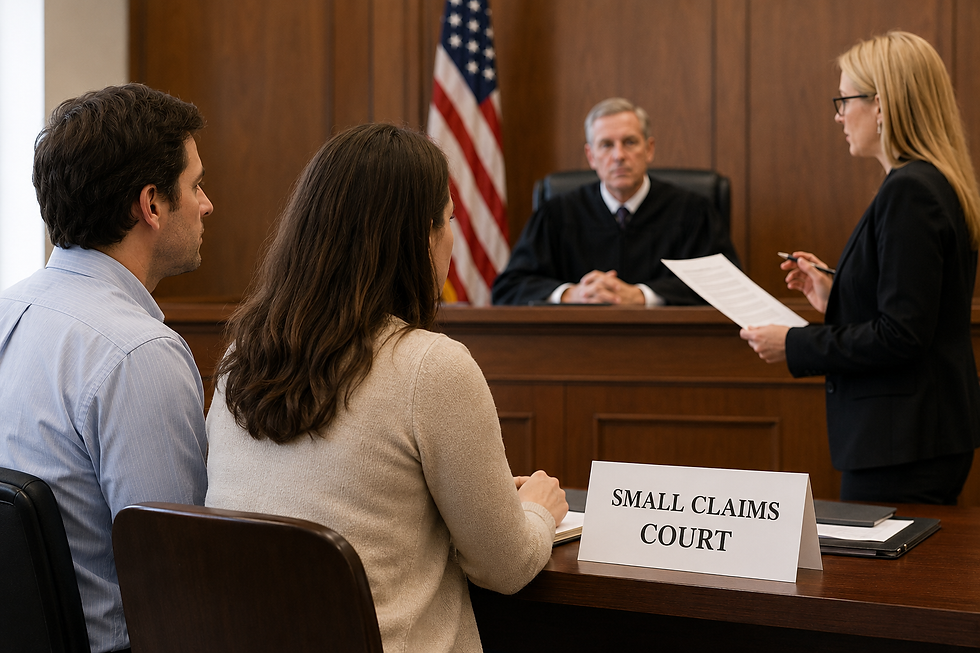
4. Court Hearings Are Usually Simpler
Understanding how small claims court works in every state also means recognizing that hearings are typically less formal than larger civil trials.
Small claims hearings often involve:
Short presentations
Witness testimony
Evidence submissions
Judges usually guide the process carefully.
5. Attorneys May Be Limited in Some States
Certain states restrict or discourage attorney participation in small claims cases.
The goal is often to keep proceedings:
Affordable
Efficient
Accessible
However, rules vary significantly depending on the state.
6. Evidence Is Still Important
Even though procedures are simpler, evidence remains extremely important.
Helpful evidence may include:
Contracts
Receipts
Photos
Text messages
Witness statements
Strong documentation often improves the chances of success.
7. Defendants Have the Right to Respond
The person being sued has the opportunity to:
Deny allegations
Present defenses
Submit evidence
Both sides generally receive the chance to explain their positions during the hearing.
8. Judges Usually Issue Decisions Quickly
One major reason people research how small claims court works in every state is because small claims courts often provide faster resolutions than traditional lawsuits.
Judges may issue decisions:
Immediately after the hearing
Within a short period afterward
Timelines vary by state and court workload.
9. Winning a Judgment Does Not Always Mean Immediate Payment
Winning a case does not automatically guarantee payment.
Additional collection steps may sometimes be necessary.
This may involve:
Wage garnishment
Bank levies
Payment plans
Collection procedures vary by state law.
10. Appeals May Be Limited
Some states limit appeal rights in small claims court.
Appeal rules often depend on:
The type of judgment
Which party lost
State court procedures
Understanding appeal deadlines is extremely important.
The Importance of Preparation
Preparing carefully for small claims court may improve courtroom presentation and credibility.
Helpful preparation may include:
Organizing documents
Practicing testimony
Bringing copies of evidence
Arriving early to court
Strong preparation often helps cases proceed more smoothly.
Common Mistakes to Avoid
When understanding how small claims court works in every state, avoid these mistakes:
Missing court deadlines
Failing to serve the defendant properly
Arriving unprepared
Bringing incomplete evidence
Ignoring court instructions
Avoiding these problems may improve the chances of success.
How Nationwide Legal Assistance Can Help
Nationwide Legal Assistance connects individuals and businesses with attorneys who understand small claims procedures and civil litigation.
We help clients:
Understand court procedures
Prepare evidence
Review legal options
Protect their legal rights
Our network covers all 50 states, ensuring access to experienced legal support.
Key Takeaways
Understanding how small claims court works in every state helps individuals:
Navigate civil disputes more confidently
Prepare for court hearings
Understand filing procedures
Avoid common legal mistakes
Small claims court provides a more accessible option for resolving many everyday disputes.
FAQ: How Small Claims Court Works in Every State
1. What types of cases go to small claims court?
Small claims courts commonly handle lower-value disputes involving contracts, property damage, and unpaid debts.
2. Do small claims limits vary by state?
Yes. Each state sets its own maximum claim amount for small claims cases.
3. Can I represent myself in small claims court?
In many states, yes. Small claims courts are designed to be more accessible to the public.
4. What evidence should I bring to small claims court?
Helpful evidence may include contracts, receipts, photos, messages, and witness testimony.
5. Does winning a judgment guarantee payment?
No. Additional collection efforts may sometimes be required after winning a case.
Conclusion
How small claims court works in every state is an important topic for individuals and businesses seeking efficient ways to resolve legal disputes. While procedures vary by state, preparation, organization, and understanding court rules are critical to navigating the process successfully.
Nationwide Legal Assistance is here to connect individuals and businesses with experienced attorneys who can help explain small claims procedures and protect legal rights—no matter where you are in the United States.


Comments